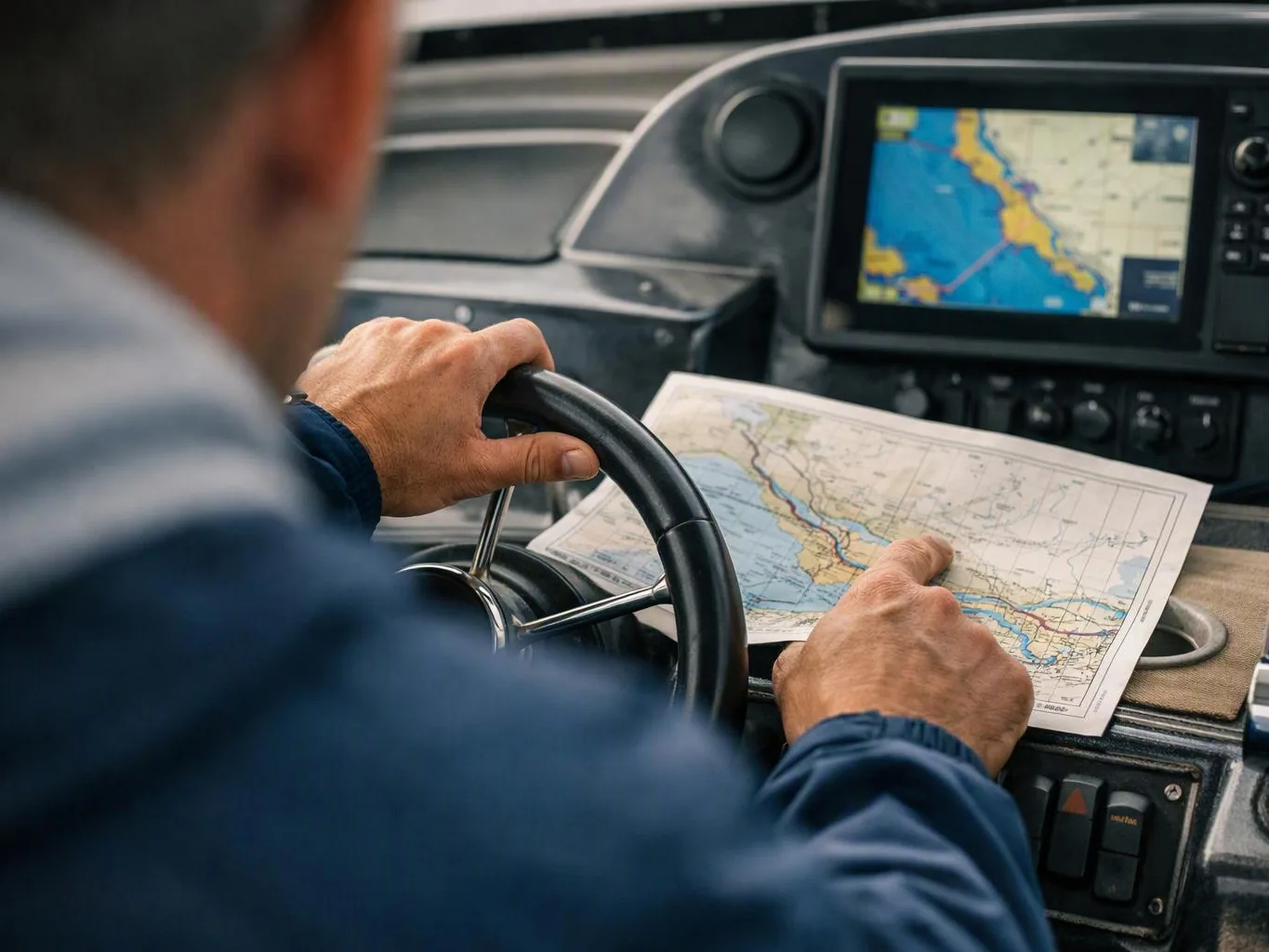
Cruise Travel Documents: What to Verify Before Departure
A cruise travel documents checklist should cover passport rules, identification, visas, cruise booking records, and destination entry requirements. CruiseTourScottsdale.com helps travelers organize these checks before departure.
Written by Wendy Denny
Request an EstimateWhat Documents Do You Need for a Cruise?
Cruise travelers need the documents required by the cruise line, departure port, transit countries, and destination ports.
Common documents include a passport book, government-issued photo ID, or birth certificate. Your cruise booking confirmation, boarding documents, visa, and travel authorization may also be required.
Document rules can change by citizenship, cruise itinerary, and port of call. We separate cruise line requirements from port entry requirements so each document has a clear purpose.
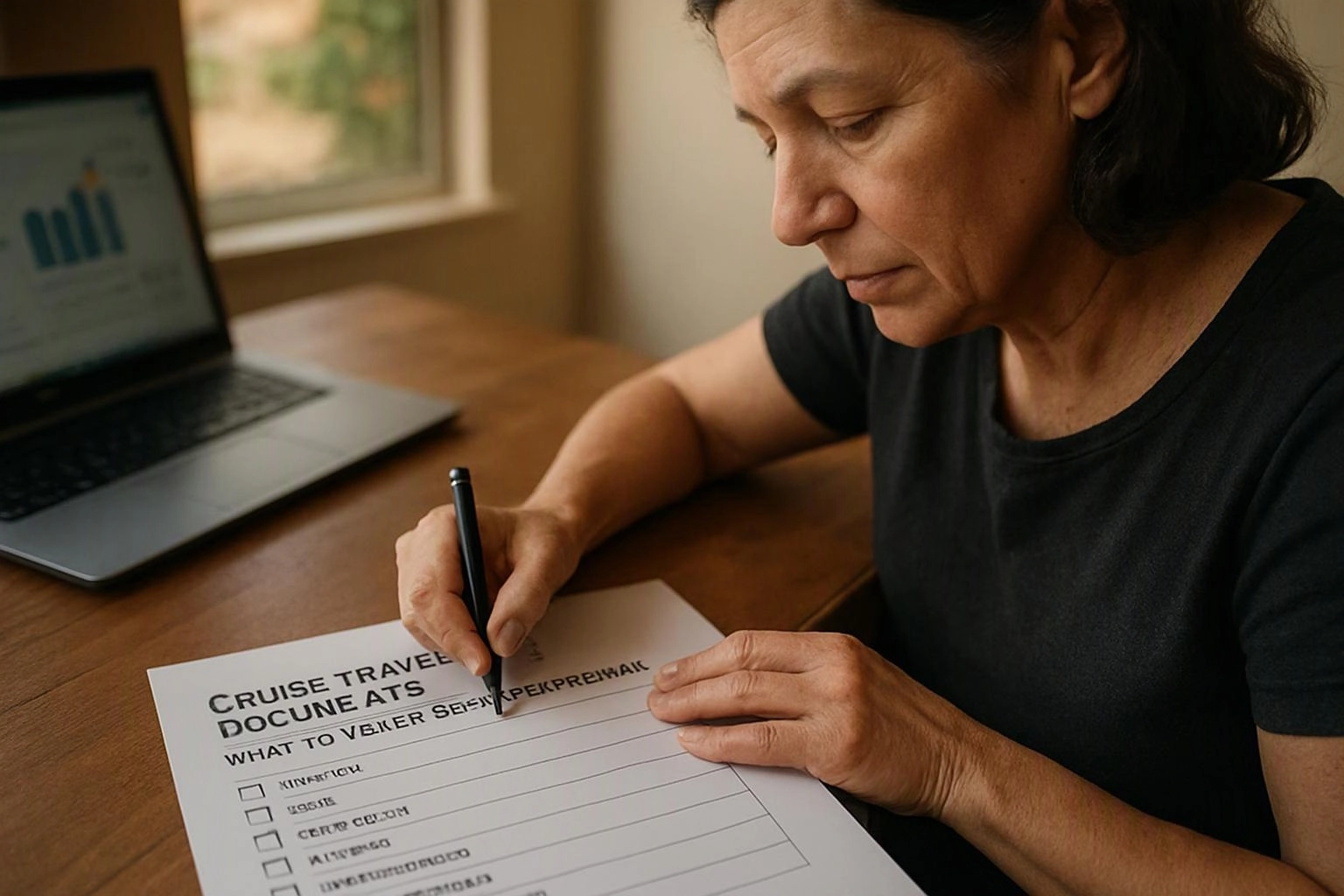
Before Departure: Check Every Document
Passport validity and document details should match the rules for your full cruise itinerary.
Use the cruise line's instructions as one source, then check each destination's entry requirements. A document that works for embarkation may not satisfy a port entry rule.
Confirm Whether Your Cruise Requires a Passport Book
A passport book may be required when the cruise line, itinerary, or destination rules call for it.
A passport card may work for limited travel situations, but it doesn't replace a passport book for every cruise. Closed-loop cruise rules can differ from international cruise rules, and port requirements can add another condition.
We check the cruise line policy, departure port, and destination ports together. That approach helps prevent a document problem at embarkation or during the voyage.
Check Visa and Port Entry Rules
Visa needs depend on your citizenship, itinerary, port visits, and the rules of each destination.
A visa or electronic travel authorization may apply even when you don't plan to leave the cruise port. Transit country rules can also affect your documents.
Shore excursion plans may create extra entry needs, especially when an excursion crosses a border or uses a separate transport provider. We review each cruise port and record the needed travel authorization with the itinerary.
During Travel: Keep Documents Ready
A travel document folder keeps essential papers together during embarkation, port days, and shore excursions.
Original documents may be needed for identity checks, while digital copies can support recovery if paperwork is lost. Follow the cruise line's instructions for document storage during the sailing.
After Booking: Recheck Changes Before Sailing
An itinerary change can change the documents required for embarkation or port entry.
We compare the updated itinerary with the document checklist again. This final review catches changes that occurred after the original booking.
Use This Document Reference Table
The document reference table shows why each paper matters and who may request it.
Use the verification point column when reviewing your cruise paperwork before departure.
| Document type | Purpose | Who may require it | Verification point | Backup recommendation |
|---|---|---|---|---|
| Passport book | Proves identity and nationality for international travel. | Cruise line, border control, or destination officials. | Validity, name, document number, and issuing country. | Store a secure digital copy. |
| Passport card | Provides an approved identity document for certain travel situations. | Cruise line or departure port, when accepted. | Confirm acceptance for the complete itinerary. | Keep another accepted identity record available. |
| Government-issued photo ID | Confirms identity for travel or embarkation. | Cruise line or port staff. | Name, photo, expiration date, and acceptance rules. | Keep a secure copy with your records. |
| Birth certificate | Supports identity and citizenship checks when accepted. | Cruise line or departure port. | Confirm the document type and name match. | Keep a secure copy separately. |
| Visa or electronic travel authorization | Allows entry or transit under destination rules. | Destination country or transit country. | Check citizenship, itinerary, dates, and port visits. | Save approval records securely. |
| Boarding documents | Supports check-in and embarkation. | Cruise line and departure port. | Match names and booking details. | Keep printed and digital access when permitted. |
Red Flags That Need Attention Before Departure
These warning signs can signal a document problem before embarkation or port entry.
We flag these issues during the document review and connect them to the affected cruise port or sailing requirement.
How We Help Organize Cruise Travel Documents
Our cruise agency service reviews the itinerary and document checklist with travelers before departure.
We organize cruise vacations around the full route, including the departure port, transit countries, destination ports, and shore excursion plans. Our team checks cruise line requirements, document names, passport details, visa needs, and travel insurance documents.
We also support custom travel itineraries and document review as part of our itinerary planning process. To plan your trip, connect with our Cruise agency team.
Our document review can also support the planning details covered in “Cruise Booking Details to Check Before You Travel.”
Wendy Denny provides the author guidance for this cruise travel documents checklist.
Questions About Cruise Travel Documents
Can I go on a cruise without a passport?
Yes, some cruises accept other identity documents when the cruise line and itinerary allow them. Check the departure port, cruise line policy, and every destination rule before sailing.
Is a passport card enough for a cruise?
A passport card is enough only when the cruise line and complete itinerary accept it. A passport book may still be required for an international cruise or destination port.
What happens if the name on my passport doesn't match my cruise booking?
A name mismatch can delay check-in or prevent embarkation. Contact the cruise line and request a booking correction before departure.
Should I carry original documents or digital copies on a cruise?
Carry the original documents required for check-in and port entry, and keep secure digital copies as a backup. Digital copies support recovery but may not replace original travel documents.